


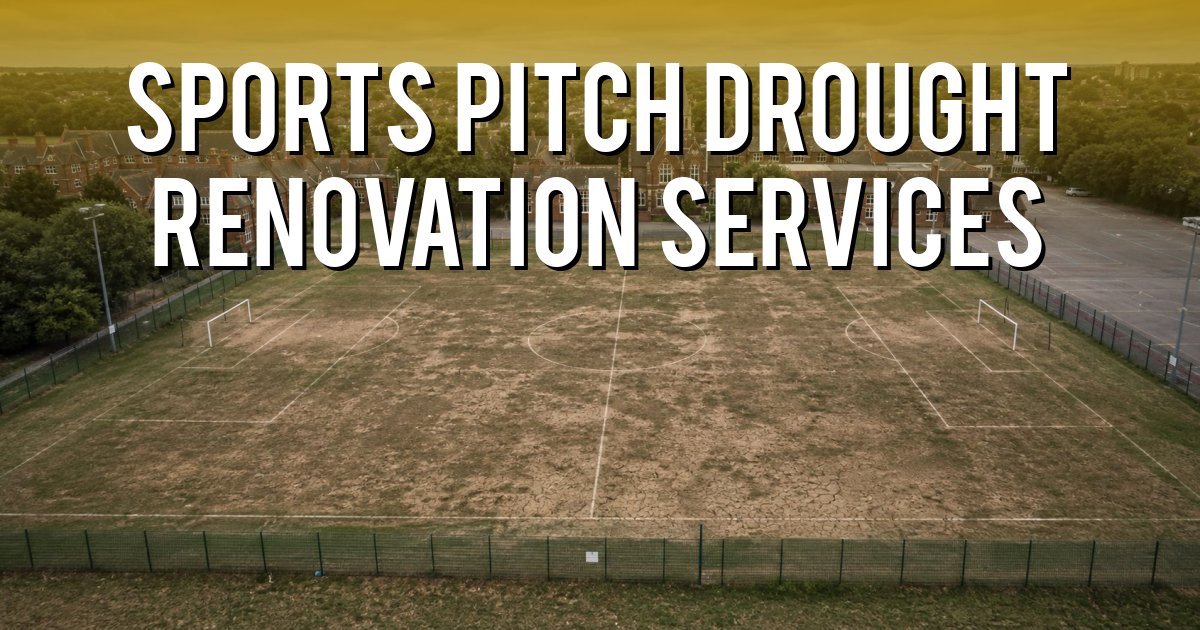
Are your sports pitches in need of urgent renovation?
The summer of 2026 has brought exceptionally challenging conditions for sports grounds and sports pitches across England. With prolonged hot, dry weather and very little rainfall, sports clubs, schools, local authorities and other organisations responsible for outdoor facilities need to think carefully about drought recovery and sports pitch maintenance before the new season gets fully under way.
According to the Environment Agency, July 2026 was the driest July on record for England, with just 10% of the long-term average rainfall. Soil moisture deficits had risen close to historic maximum levels by the end of the month. The summer 2026 was the UK's hottest on record, according to provisional data from the Met Office.
By August, 71% of England was officially in drought, with poor grass growth already being reported.
For sports pitches, the effects of such prolonged dry weather can go much further than simply seeing brown grass. Compaction, thinning grass cover, stressed turf, hard ground, poor recovery and changes to drainage and soil condition can all affect how a playing surface performs.
With the new sporting seasons underway or rapidly approaching, now is the time to assess the damage and put the right sports field recovery programme in place.
What has the drought done to sports pitches?
Natural grass pitches are particularly vulnerable to prolonged periods of heat and drought. Grass needs sufficient moisture to grow, recover from wear and maintain a healthy root system. When water becomes scarce, growth slows and turf can become dormant or severely stressed.
The Environment Agency has reported poor grass growth as one of the impacts of the current drought conditions.
A drought-affected pitch may therefore show:
- Thin or patchy grass cover
- Brown, yellow or dormant areas
- Bare areas where grass has died
- Reduced root growth
- Hard or dry soil
- Cracking or uneven areas
- Increased susceptibility to wear when play resumes
- Reduced ability to recover from regular use
- Areas where weeds have become more prominent
- Poor surface performance following prolonged stress
However, every pitch will respond differently. Soil type, drainage, construction, grass species, maintenance history, usage levels and the severity of the drought will all influence the condition of the surface.
That is why simply applying fertiliser or reseeding everything is unlikely to be the right answer.
Drought can affect the soil as well as the grass
One of the most important things to remember is that the problem may be below the surface.
Extended dry weather can leave soils with significant moisture deficits. England's soil moisture deficit reached levels close to historic maximums during July 2026.
As the soil dries, its structure and ability to support healthy turf can be affected. A pitch that looks reasonably acceptable from the sidelines may still have stressed roots or areas of poor soil condition beneath the surface.
This is particularly important because the start of the season can bring a rapid increase in footfall and playing hours. A grass pitch that has not had sufficient time to recover may struggle when subjected to regular training and matches.
The objective should therefore be to restore the whole playing surface, rather than simply making it look green again.
What treatment might a drought-affected pitch need?
There is no single treatment that is right for every sports pitch. A professional assessment should determine what work is actually required.
Depending on the condition of the pitch, a post-drought renovation programme could include several different elements.
Aeration and relieving compaction
Aeration can help improve the movement of air and water through the soil and encourage healthier root development.
Where appropriate, techniques such as solid tining, hollow coring or other forms of aeration can be used to address particular soil conditions.
The right approach depends on the construction and condition of the pitch. Heavy or inappropriate work at the wrong time can do more harm than good, so the treatment should be tailored to the individual surface.
Scarification
Drought-stressed pitches can also benefit from removing unwanted organic material and thatch where appropriate.
Scarification can help open the surface and create better conditions for grass growth, although it should be considered alongside the condition of the existing turf rather than treated as an automatic requirement.
Overseeding and repairing bare areas
Where grass has been lost or the sward has become thin, overseeding sports pitches can help restore turf density.
This is particularly important before the season begins because a strong, dense grass cover provides better resilience against the wear associated with regular sporting activity.
Seed selection should be appropriate for the sport, soil and intended level of use, rather than simply choosing a generic grass seed.
Topdressing
Sand or suitable topdressing materials can be used as part of a renovation programme where the pitch requires improvements to surface levels, soil structure or drainage characteristics.
Topdressing can also work alongside overseeding and aeration to help improve the overall playing surface.
Again, the correct material and application rate need to be determined according to the pitch rather than applying a standard treatment across every site.
Fertiliser and soil nutrition
After a period of prolonged stress, the grass may require appropriate nutritional support to encourage healthy recovery.
However, timing and application are important. Fertiliser should form part of a wider turf management programme rather than being used simply to try to force drought-stressed grass into growth.
Irrigation and water management
Water is obviously important when recovering a drought-affected pitch, but the current situation makes responsible water management particularly important.
The Environment Agency reported in August that public water supplies were under increasing pressure, with temporary use bans affecting more than 27 million people.
Sports clubs and organisations therefore need to understand any restrictions affecting their site and avoid assuming that extensive irrigation will automatically be available.
Sport England's drought guidance highlights the importance of good facility management, efficient water use and planning for the effects of drought on sports facilities.
A properly planned recovery programme can therefore be much more effective than simply trying to keep the surface wet.
Don't wait until the first match
One of the biggest mistakes a club or facility can make is leaving pitch renovation until just before the season starts.
Grass needs time to recover. Seed needs time to establish. Soil improvements need time to take effect. And if an assessment reveals more significant problems, there may be additional work that needs to be scheduled.
Sport England's current guidance emphasises the importance of appropriate maintenance and professional expertise when developing and maintaining natural turf sports surfaces. Its Natural Turf for Sport guidance was updated in May 2025 and covers the construction and maintenance of playing fields and sports pitches.
Planning early gives grounds teams and contractors more opportunity to identify problems, undertake the necessary renovation work and monitor the pitch before competitive use increases.
Why a post-drought assessment is important
It can be tempting to look at a pitch after some rainfall and assume that the problem has gone away.
Unfortunately, it is not always that simple.
A little rain can quickly make a dormant pitch look greener without necessarily resolving underlying issues with soil structure, rooting, compaction or turf density.
Our assessments can help establish:
What condition is the grass in?
Is the existing sward healthy enough to recover, or are areas likely to need overseeding or more extensive renovation?
What condition is the soil in?
Has the prolonged dry period created problems with compaction, structure or moisture retention?
How is the pitch draining?
Are there existing drainage issues that need addressing before the season begins?
How much use will the pitch receive?
A heavily used football, rugby or cricket pitch may require a different recovery programme from a lightly used recreational surface.
What work can realistically be completed before the season?
Prioritising the right work can help ensure that available time and budgets are used where they will have the greatest benefit.
Sherriff: expert sports pitch renovation and maintenance
At Sherriff, we understand that a sports pitch is more than a patch of grass. It needs to provide a safe, consistent and resilient playing surface for the people who use it.
Our expertise in sports pitch renovation and maintenance means we can help assess the condition of your playing surfaces and recommend appropriate treatments to get them ready for the season ahead.
Whether your pitch needs attention following drought, heavy use or general wear and tear, we can help identify the work required and develop a practical approach to restoring its condition.
We also understand that every site is different. A school sports field, football club, rugby pitch, cricket facility or multi-use sports ground will all have different requirements, which is why we take the condition and intended use of the surface into account.
Prepare your sports pitches for the season ahead
The summer of 2026 has demonstrated just how quickly weather conditions can change. With England experiencing exceptionally dry conditions and widespread drought, sports facilities have faced a level of water and turf stress that should not simply be ignored once rainfall returns.
The good news is that early assessment and appropriate renovation can give drought-affected sports pitches the best possible opportunity to recover.
If you are responsible for a football pitch, rugby pitch, cricket ground, school playing field, sports club or other outdoor sports facility, now is a good time to arrange an assessment rather than waiting until the first fixture is just around the corner.
Talk to Sherriff about sports pitch renovation and maintenance and let our experienced team help you prepare your playing surfaces for the season ahead.